
Job seekers
You want to change careers and move into the digital field, even without a technical background. We support you step by step to learn the fundamentals, structure your plan, and target your first role.

In an era where markets evolve rapidly and consumer needs change at an unprecedented pace, the ability to innovate swiftly and effectively is more crucial than ever. Design Sprints, a methodology developed for fast and efficient problem-solving, have become an essential tool in this dynamic environment.
The essence of Design Sprints lies in their ability to condense months of product or service development into a few days. This approach not only accelerates the innovation process but also significantly reduces the risks and costs associated with new initiatives. By rapidly prototyping and testing ideas, businesses can quickly determine the viability of a concept and make informed decisions on its development.
A Design Sprint is more than just a process; it's a mindset shift towards efficiency, innovation, and user-centric problem solving. At its core, a Design Sprint is a five-day workshop that empowers teams to tackle complex problems, create prototypes, and test solutions with real users. This structured, yet flexible approach is designed to unleash creativity and foster collaborative thinking.
The essence of a Design Sprint lies in its time-bound nature. By setting a strict timeline, it compels teams to focus on the most critical aspects of a problem. This intensity drives rapid ideation and decision-making, pushing teams to produce tangible results quickly. It's a blend of Design Thinking, Agile methodology, and lean Startup principles, all wrapped into an immersive experience.
The five phases of a Design Sprint – Understand, Diverge, Converge, Prototype, and Test – guide teams from identifying user needs and challenges to creating actionable solutions. This journey, though brief, encapsulates the essential elements of product and service development, making it an invaluable tool in the innovation toolkit.
Design Sprints are catalysts for innovation and change. They're particularly powerful in scenarios where traditional approaches to problem-solving are too slow or ineffective. By rapidly cycling through ideas and testing them in real-world scenarios, teams can quickly gather insights and iterate on their solutions. This method significantly reduces the time and cost associated with bringing a new product or service to market.
In organizations, Design Sprints foster a culture of collaboration and creative problem-solving. They break down silos, bringing together diverse perspectives and expertise to focus on a common goal. This collaboration often leads to breakthrough ideas and solutions that might not emerge in a more conventional working environment.
Moreover, Design Sprints place a strong emphasis on user feedback, ensuring that the solutions developed are closely aligned with user needs and preferences. This user-centric approach is essential in today’s market, where customer satisfaction is paramount.
From tech startups to large corporations, educational institutions to non-profits, Design Sprints have been successfully applied to drive innovation and change. They empower teams to address challenges in a structured yet flexible manner, leading to more effective and user-aligned solutions.
The success of a Design Sprint hinges on accurately identifying and understanding the real-world problem it aims to solve. This is where the sprint begins – with a clear, focused question or challenge. Effective problem identification is a skill, combining empathy, insight, and a deep understanding of the context in which the problem exists.
Key strategies for effective problem identification include:
Empathy Mapping and User Interviews: These tools help understand the user's perspective, their needs, challenges, and motivations. By putting oneself in the user's shoes, the team can uncover insights that drive meaningful solutions.
Five Whys Technique: This iterative interrogative technique helps identify the root cause of a problem by repeatedly asking the question "Why?" It digs deeper into initial responses, uncovering underlying issues rather than just symptoms.
Stakeholder Mapping: Identifying all stakeholders involved provides a broader view of the problem space. Understanding different perspectives and interests helps in framing a problem that addresses broader needs and impacts.
These strategies set the foundation for a Design Sprint, ensuring that the team focuses its efforts on a problem that is worth solving and can deliver real value.
Once a clear problem statement is established, Design Sprints shift to a solution-centric approach. This phase is characterized by rapid ideation, where quantity trumps quality. The goal is to generate a wide range of ideas, from incremental improvements to radical innovations.
Key aspects of solution-centric approaches in Design Sprints include:
Brainstorming and Ideation Sessions: These collaborative sessions encourage free thinking and the sharing of ideas without judgment. Diverse perspectives within the team lead to a rich pool of ideas.
Sketching and Storyboarding: Translating ideas into visual forms helps in making them tangible and easier to understand. It's a powerful way to communicate concepts and envision how they might work in real life.
Prioritization and Voting: With a plethora of ideas at hand, the team then needs to prioritize. Techniques like dot voting help in democratically selecting the most promising ideas to prototype and test.
This solution-centric approach ensures that the Design Sprint moves forward with ideas that are not only creative but also feasible and aligned with the identified problem. It's a balance of creativity and pragmatism, aiming to produce solutions that are innovative yet grounded in real-world needs.
Prototyping is a central element of Design Sprints, serving as the bridge between abstract ideas and tangible solutions. The primary goal of prototyping in a Design Sprint is to create a ‘minimum viable prototype’ – a simplified version of the solution that is good enough to elicit useful feedback from users.
Creating impactful prototypes involves several key principles:
Simplicity and Focus: The prototype should focus on the core functionality needed to test the hypothesis. It's not about building a complete product but about simulating enough of the experience to gather insights.
Rapid Development Tools: Utilize tools that allow quick and efficient creation of prototypes. Digital tools like InVision, Sketch, and Figma are popular for creating interactive mockups, while simpler tools like paper and pen can be effective for more basic prototypes.
Iterative Approach: Prototyping in a Design Sprint is an iterative process. It's about quickly developing an idea, testing it, learning from the feedback, and making necessary adjustments.
Rapid testing is the subsequent phase where the prototype is exposed to real or representative users. This stage is crucial as it provides direct insights into how users interact with the prototype and their perceptions of its utility and usability.
Key aspects of rapid testing include:
Selecting the Right Users: It’s important to test with users who are representative of the end customers. Their insights will be more relevant and useful for refining the prototype.
Structured Testing Process: Develop a testing script or set of guidelines to ensure that you gather consistent and comparable feedback across different users.
Openness to Feedback: Embrace all feedback, positive or negative, as a valuable resource. Negative feedback is often more useful as it highlights areas for improvement.
The rapid testing phase is powerful because it validates the assumptions made during the sprint. It provides a reality check and ensures that the solutions being developed are genuinely addressing user needs. This feedback loop is essential for making quick yet informed decisions, significantly reducing the risk of developing products or services that fail to resonate with the target audience.
The journey from a prototype developed during a Design Sprint to a fully-implemented solution is crucial. This phase is about taking the validated prototype and evolving it into a viable product or service that can be launched in the market. It involves refining the solution, addressing technical and logistical challenges, and scaling the prototype to a real-world application.
This transition requires a strategic approach, often involving:
Further Development and Refinement: Based on the feedback from the testing phase, the prototype may need additional development. This might include enhancing features, improving user interface, and ensuring technical robustness.
Integration with Business Goals: The solution should align with the broader objectives and strategies of the organization. This requires collaboration across different departments and alignment with business goals.
Market Analysis and Launch Planning: Understanding the market and planning a successful launch are critical. This includes identifying the target audience, marketing strategies, and distribution channels.
Real-world applications of this process vary widely, from digital products like apps and software to physical products and service improvements. Each requires a unique approach to implementation, but the core principles remain the same.
Completing a course in Design Sprint methodology can be a transformative step in your professional journey. This certification not only equips you with a robust set of skills in innovation and problem-solving but also positions you as a valuable asset in any team.
Career impacts include:
Enhanced Skills and Capabilities: You'll gain expertise in facilitating Design Sprints, problem-solving, prototyping, and user testing – skills highly sought after in various industries.
Broadened Career Opportunities: With this certification, you can explore roles like product manager, UX/UI designer, innovation consultant, or start your own venture. The skills are applicable in tech companies, startups, non-profits, and even in educational and governmental sectors.
Leadership and Collaboration: Design Sprints require and develop strong leadership and collaboration skills. These are critical competencies in any professional setting and can propel you to leadership roles.
In conclusion, this course doesn’t just teach you a methodology; it opens doors to new ways of thinking and working, broadens your career horizons, and enhances your ability to drive change and innovation.
Our assistant helps you pick the right course, funding options and level of support.
A teaching approach designed to make you job-ready quickly: live courses, personalized support, online resources, AI, and mobile apps to accelerate your progress.
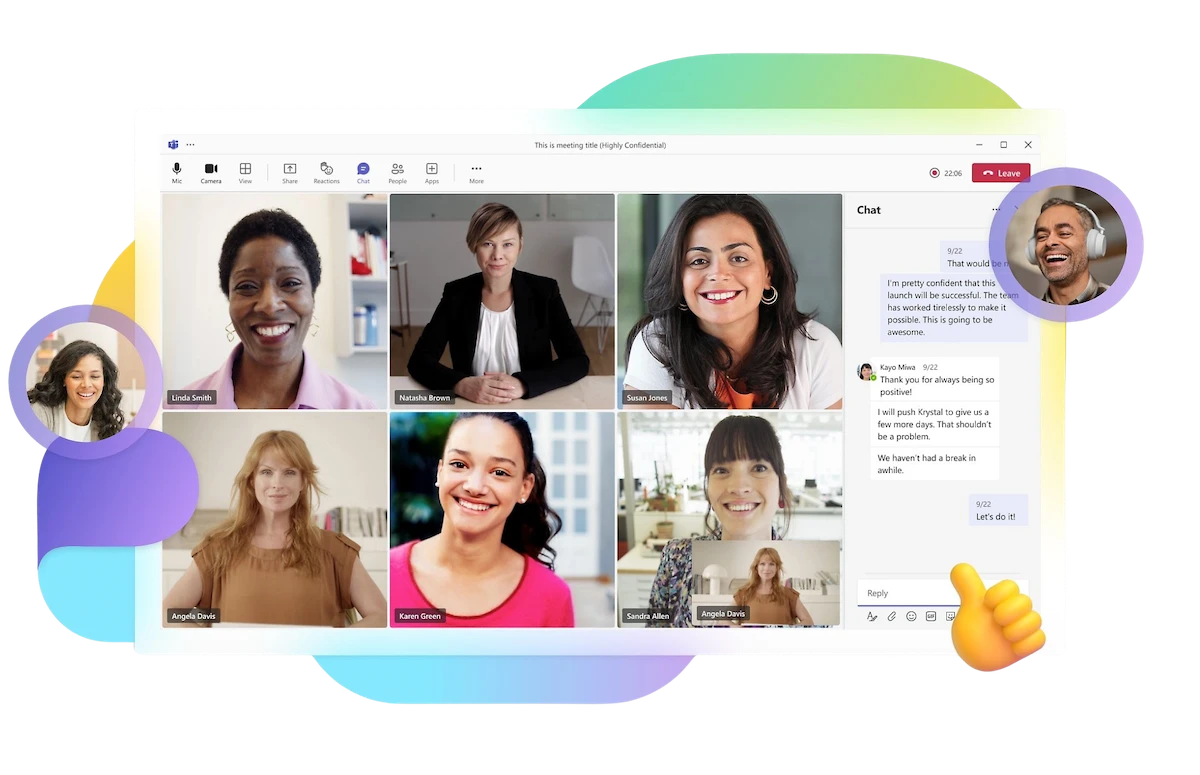
Attend interactive live sessions with instructors and ask questions to keep progressing. Missed a session? A replay will be available so you don't miss anything.
Benefit from small-group coaching sessions and 1:1 meetings to remove roadblocks, structure your plan, and stay on track.
Work on real digital use cases—websites, marketing campaigns, entrepreneurial projects—to build a portfolio and gain real experience.
Access structured resources (materials, replays, practical guides) and learn to use AI as a tool to save time and level up your skills.
Make progress anywhere, anytime, with our mobile apps dedicated to each program (progress tracking, practice, reminders, supplementary content).
Prepare for your exams with mock exams, detailed feedback, and support toward an internship or a freelance project to validate your skills.
You want to change careers and move into the digital field, even without a technical background. We support you step by step to learn the fundamentals, structure your plan, and target your first role.
You are already employed and want to advance your career, secure your position, or prepare a transition to a more digital role. Learn at your own pace without interrupting your work.
You are in initial training or have just graduated, and you want to gain practical, job-ready skills to boost your employability in the digital sector.
You live abroad and want to follow a recognized distance-learning program, with the option to take your exams remotely or at one of our campuses depending on your situation.
Access the full replays of our past cohorts at a more affordable price, and progress at your own pace when you can’t join the next intake.