Project management is an essential discipline that involves the planning, execution, and control of projects in order to achieve specific goals within defined deadlines and budgets. It includes the application of knowledge, skills, tools, and techniques to meet project requirements. The goals of project management are to ensure that projects are delivered efficiently, on time and with available resources, while meeting the expectations of stakeholders.
Importance of Project Management for Business Efficiency and Success
For businesses, effective project management is critical to success. Well-orchestrated project management optimizes resources, respects deadlines and budgets, and minimizes risks. It also promotes better communication and collaboration within teams, which leads to high-quality results and increased customer satisfaction. By adopting rigorous project management practices, businesses can improve their competitiveness and successfully achieve their strategic goals.
Our Project Management Consulting Services
Needs Analysis and Assessment of Existing Project Management Practices
Project management consulting starts with a thorough analysis of the specific needs of the business and an assessment of the project management practices already in place. This step involves identifying strengths and weaknesses in current methods, as well as understanding the challenges faced by the organization. This makes it possible to formulate appropriate recommendations to improve the processes and tools used.
Implementation of Project Management Methodologies (Agile, Waterfall, etc.)
Once the needs have been identified, the consultant sets up project management methodologies adapted to the organization. Whether it's Agile, Waterfall, or a hybrid approach, each methodology has its own advantages depending on the nature of the project. Agile is ideal for projects that require flexibility and quick adaptation, while Waterfall is best suited for projects with fixed and predictable requirements. Implementing the appropriate methodology improves resource management, project planning, and monitoring.
Project Team Training and Support
Once methodologies have been established, team training is essential to ensure their effectiveness. Consulting includes training team members in the use of project management tools and specific techniques. Ongoing support helps teams adapt to new methods, optimize their collaboration and solve problems that may arise during projects.
Project Management Methodologies
Project Management Tools and Technologies
Project management tools play a crucial role in the success of projects. Software like Microsoft Project, Jira, Trello, or Asana makes it possible to plan, track, and manage tasks and resources effectively. These tools offer features for task management, real-time collaboration, progress monitoring, and budget management. The choice of tool depends on the specific needs of the project and the preferences of the team.
Process and Best Practices for Project Planning, Execution, and Monitoring
Project planning involves setting goals, developing the schedule, allocating resources, and estimating costs. During execution, it's critical to track progress, manage risks, and resolve issues as they arise. Best practices include setting up regular review processes, using dashboards for real-time monitoring, and ongoing communication with stakeholders.
Risk and Resource Management Techniques
Risk management involves identifying, analyzing, and planning responses to potential risks that may affect the project. Common techniques include assessing risks, implementing mitigation plans, and monitoring risks throughout the project. Resource management requires the efficient allocation of human, material, and financial resources, as well as the management of conflicts and priorities.
Customized Implementation Plans
Development of Project Management Plans Adapted to the Specific Needs of Businesses
Every business has unique project management needs. A personalized implementation plan is therefore essential to meet these specific needs. This includes developing appropriate strategies, setting clear goals, planning resources, and establishing key performance indicators. The plan must also incorporate the methodologies and tools chosen to optimize project management.
Monitoring and Adjustments of Project Management Strategies
Once the project management plan is implemented, it is crucial to monitor progress and adjust strategies based on project developments and feedback. Regular monitoring makes it possible to identify deviations from the objectives and to implement corrective actions if necessary. Adjustments may include changes in planning, reallocation of resources, or changes in methodologies used.
The benefits
Benefits for the Organization: Improving Efficiency, Respecting Deadlines and Budgets, Better Team Collaboration
Project management consulting offers a number of benefits to organizations. It improves efficiency by optimizing processes and reducing inefficiencies. Compliance with deadlines and budgets is strengthened through better planning and rigorous monitoring. In addition, effective project management promotes better collaboration within teams, which improves the quality of results and customer satisfaction.
Investing in project management consulting is a strategic decision that can transform the way a company manages its projects. By opting for professional support, organizations benefit from in-depth expertise, an adapted methodology and continuous support to ensure the success of their projects. Do not wait any longer to optimize your project management processes and successfully achieve your goals. Contact us today to find out more about our project management consulting services.
Frequently Asked Questions (FAQs)
What is project management consulting?
Project management consulting is a professional service that helps businesses improve their ability to successfully manage and execute projects. Project management consultants contribute their expertise to assess current practices, implement appropriate methodologies (such as Agile or Waterfall), train teams, and provide tools and techniques to optimize the planning, execution and monitoring of projects.
Why should I invest in a project management consultant?
Investing in project management consulting can significantly improve the performance of your projects. This makes it possible to better plan and execute projects, to meet deadlines and budgets, and to maximize the use of resources. Additionally, it improves team collaboration and reduces the risks associated with projects, which contributes to overall project success and stakeholder satisfaction.
What are the main project management methodologies proposed?
Key project management methodologies include:
- Agile: A flexible and iterative approach, ideal for projects that require frequent adjustments and close collaboration with stakeholders.
- Waterfall: A linear and sequential approach adapted to projects with fixed and well-defined requirements.
- PRINCE2: A structured, process-oriented method that is often used for complex projects in a variety of sectors.
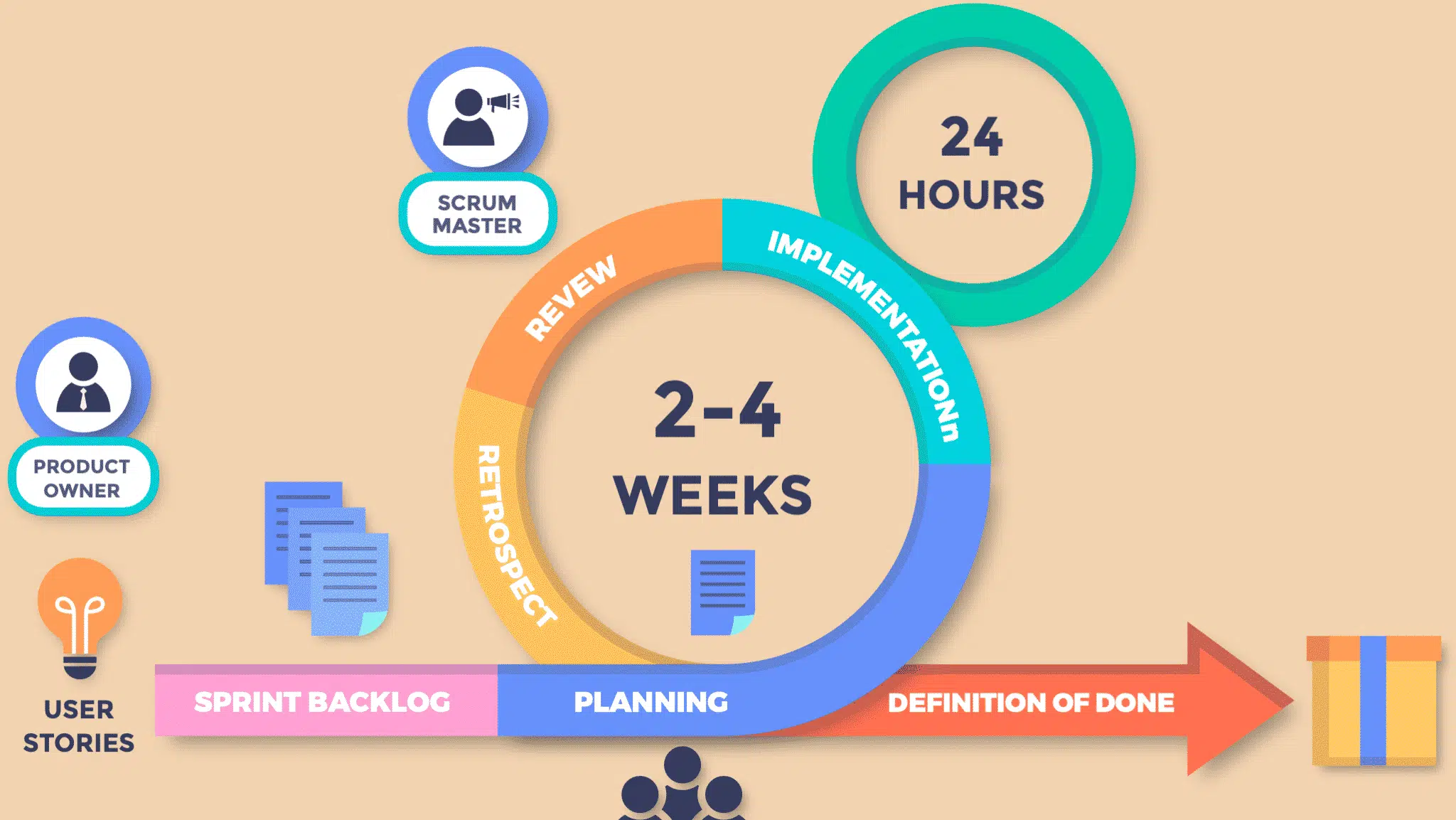
- Scrum: A specific Agile framework for project management with short development cycles called “sprints.”
How do consultants determine the most appropriate project management methodology?
Consultants assess the most appropriate methodology based on several factors, including the nature of the project, specific requirements, deadlines, budget, and team preferences. They also analyze existing project management practices and identify specific business needs to recommend the methodology that will optimize project results.
What project management tools are recommended?
The recommended project management tools depend on the specific needs of the business, but some of the most commonly used tools include:
- Microsoft Project: For detailed planning and monitoring.
- Jira: For Agile projects and task management.
- Trello: For simple and visual task management.
- Asana: For task management and team collaboration. These tools offer features such as scheduling tasks, tracking progress, and managing resources.
How are teams trained and supported by consultants?
Teams are trained and supported by consultants through training sessions, practical workshops and coaching sessions. The courses cover the use of project management tools, the methodologies chosen, and best practices in project management. Ongoing support includes problem solving, answering questions, and adjusting practices based on feedback.
What is the process for developing a customized project management plan?
Developing a customized project management plan starts with a thorough analysis of business needs and goals. Then, consultants define project goals, develop the schedule, allocate resources, and establish performance indicators. The plan is adjusted according to the specifics of the business and the management methods chosen. The consultant also monitors and adjusts the plan according to the evolution of the project.
What are the benefits of project management consulting for organizations?
Benefits include better project planning and execution, improved adherence to deadlines and budgets, optimized resource management, and improved collaboration between teams. It also reduces risks and increases customer and stakeholder satisfaction.
How to measure the success of a project after consulting has been implemented?
The success of a project can be measured through several indicators, including:
- Meeting deadlines: Compare the planned schedule with the actual schedule.
- Budget compliance: Assess whether expenses are in line with the original budget.
- Quality of deliverables: Measure whether the results meet the defined quality criteria.
- Stakeholder satisfaction: Gather feedback from customers and team members.
- Achievement of objectives: Verify if the project objectives have been achieved as planned.
How do I contact a project management consultant?
To contact a project management consultant, you can fill out a contact form on our website, send an email to our dedicated address, or call us directly. We are happy to discuss your specific needs, provide you with more information about our services, and schedule an initial consultation to assess how we can help you optimize the management of your projects.