
Personas en búsqueda de empleo
Quieres cambiar de profesión e incorporarte al sector digital, incluso sin una base técnica. Te acompañamos paso a paso para adquirir los fundamentos, estructurar tu proyecto y apuntar a tu primer puesto.
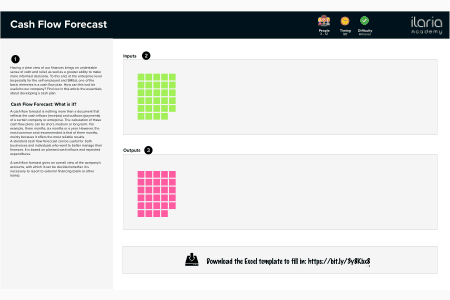
Having a clear view of our finances brings an undeniable sense of calm and relief, as well as a greater ability to make more informed decisions. To this end, at the enterprise level (especially for the self-employed and SMEs), one of the basic elements is a cash flow plan. How can this tool be useful to our company? Find out in this article the essentials about developing a cash plan.
A cash plan is nothing more than a document that reflects the cash inflows (receipts) and outflows (payments) of a certain company or enterprise. The calculation of these cash flow plans can be short, medium or long term. For example, three months, six months or a year. However, the most common and recommended is that of three months, mainly because it offers the most reliable results.
A standard cash plan can be useful for both businesses and individuals who want to better manage their finances. It is based on planned cash inflows and expected expenditures.
In a cash plan, it is necessary to differentiate receipts from payments, and not take into account revenue and expenditure.
The task of the treasurer of a company is to ensure that there is no shortage of cash. To achieve this, adequate planning is required, hence the cash flow plan. This plan anticipates possible payments that must be made, taking into account the due date.
With the cash plan, we know at all times the budget that the company has, in order to be able to cope with unforeseen expenses. On the other hand, if an appropriate cash plan is made, all of these benefits or benefits will be obtained:
Improve business management: The data will show the best months of the year and those that are harder.
In short, a cash plan gives an overall view of the company's accounts, with which it can be decided whether it is necessary to resort to external financing (bank or other loans).
Nuestro asistente le orienta hacia la formación adecuada, las opciones de financiación y el nivel de acompañamiento que necesita.
Una metodología diseñada para que estés listo para el trabajo rápidamente: cursos en directo, acompañamiento personalizado, recursos en línea, IA y aplicaciones móviles al servicio de tu progreso.
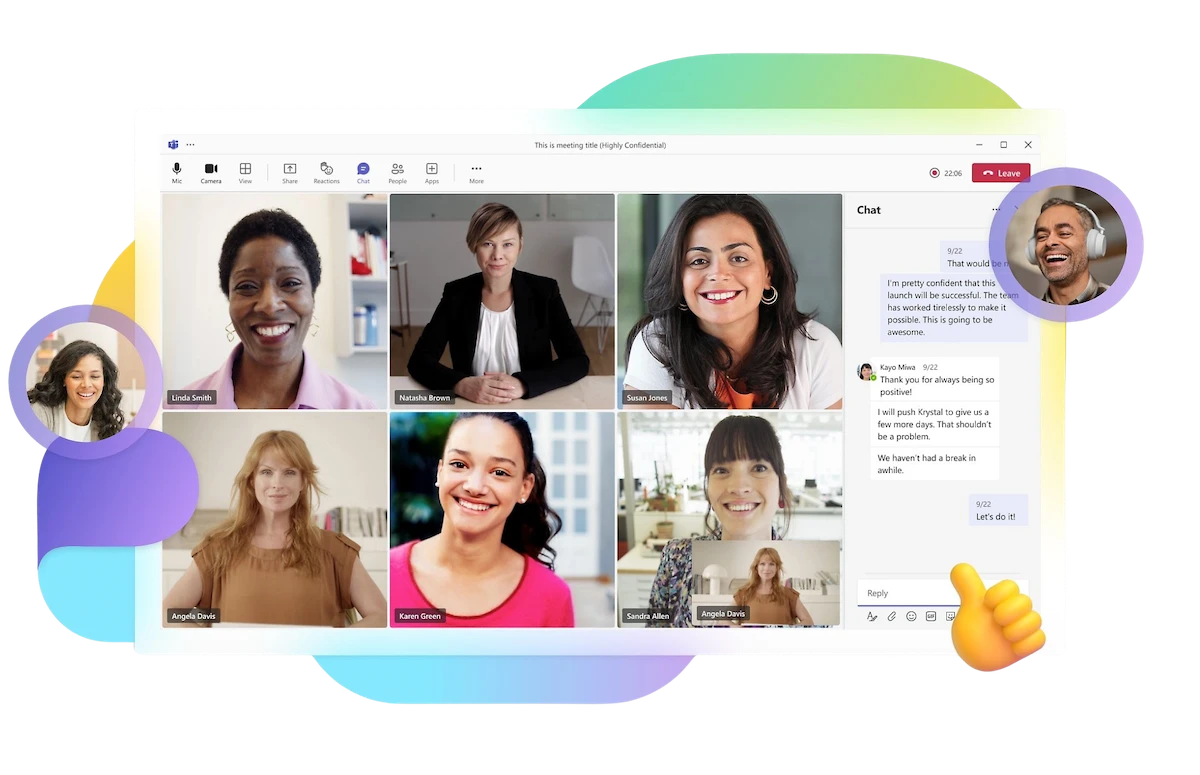
Sigue sesiones interactivas en directo con formadores y haz tus preguntas para seguir progresando. ¿No pudiste asistir? Habrá un replay disponible para no perderte nada.
Benefíciate de sesiones de coaching en grupos reducidos y de citas individuales para desbloquearte, estructurar tu proyecto y mantener el rumbo.
Trabaja en casos reales del sector digital: sitios web, campañas de marketing y proyectos emprendedores, para construir un portfolio y obtener una experiencia real.
Accede a recursos estructurados (materiales, replays, guías prácticas) y aprende a usar la IA como herramienta para ahorrar tiempo y mejorar tus competencias.
Progresa en cualquier lugar y en cualquier momento gracias a nuestras aplicaciones móviles dedicadas a cada programa (seguimiento del progreso, prácticas, recordatorios y contenidos complementarios).
Prepárate para los exámenes con simulacros, feedback detallado y acompañamiento hacia unas prácticas o un proyecto freelance para validar tus competencias.
Quieres cambiar de profesión e incorporarte al sector digital, incluso sin una base técnica. Te acompañamos paso a paso para adquirir los fundamentos, estructurar tu proyecto y apuntar a tu primer puesto.
Ya estás trabajando y quieres hacer evolucionar tu carrera, asegurar tu empleo o preparar una transición hacia un rol más digital. Aprende a tu ritmo sin interrumpir tu actividad.
Estás en formación inicial o acabas de obtener tu diploma, y quieres adquirir competencias prácticas y operativas para impulsar tu empleabilidad en el sector digital.
Vives en el extranjero y quieres seguir una formación a distancia reconocida, con la posibilidad de realizar tus exámenes en línea o en alguno de nuestros campus según tu situación.
Accede a los replays completos de nuestras promociones anteriores a un precio más accesible y progresa a tu ritmo cuando no puedas incorporarte a la próxima convocatoria.
Estas empresas contratan por las competencias que enseñamos: Fujitsu · Insight Global · Atos · RoviSys · HUG - Hopitaux Universitaires de Genève · Banque de France · Amaris Consulting · Keyrus · ThoughtLabs Belgium · Haystack · Federal Bureau of Investigation (FBI) · SQLI · VISEO · Orange Business · Dassault Systèmes · Randstad Luxembourg · Devoteam · Rocken® · AVELSEN · SII Group Belgium · EFG International · Infosys · OPEN · Taleo Consulting · Abraxas Informatik AG